If you’ve been thinking about adding a dash cam to your vehicle, you’re not alone. Dash cams have become one of the most popular upgrades for everyday drivers, 4WD enthusiasts and commuters alike. They provide valuable evidence in the event of an accident, help deter theft and capture those unexpected memories on the road that you get to watch back with friends and family. When it comes to dash cam installation the big question is always – should you install it yourself, or get it done professionally?
The team at Autospark is here to break it down so you can choose the option that suits your confidence level, your vehicle and your budget.
Before we jump into installation methods it’s worth noting why dash cams have become a must-have for so many drivers. A good dash cam can:
- Provide clear footage in the event of a crash
- Capture number plates of hit-and-run vehicles
- Monitor your car while parked providing additional vehicle security
- Record your off-road adventures
- Reduce insurance disputes
With so much value packed into a small device, it makes sense to install it properly whether that means rolling up your sleeves or letting an expert handle it.
DIY Dash Cam Installation
Many drivers choose DIY installation because it feels straightforward at first glance. Dash cams typically come with a power cable, adhesive mount and basic instructions. Here’s what DIY really involves…
1. Positioning the Dash Cam Correctly
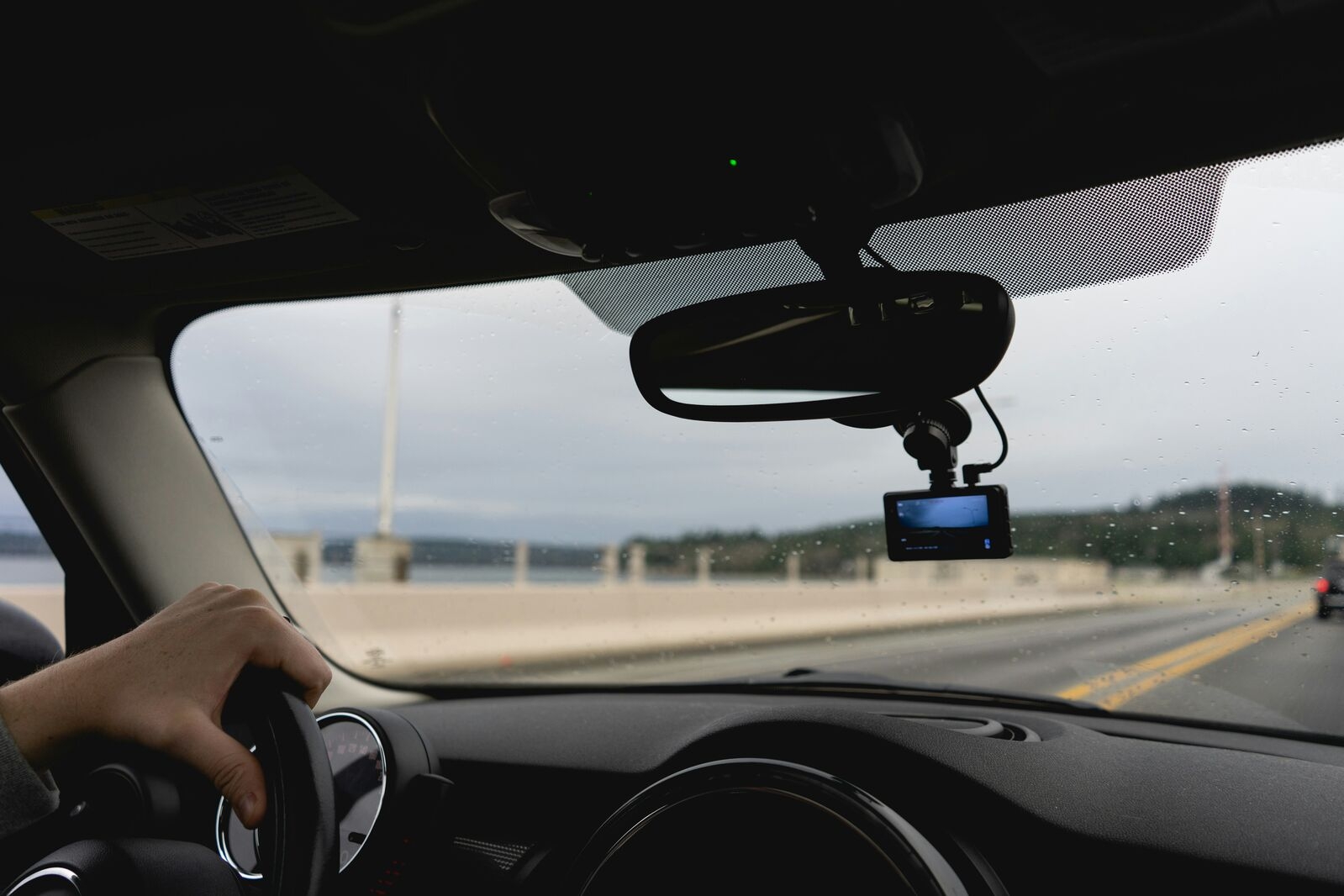
You’ll need to mount the dash cam high on the windscreen and behind the rear-view mirror, making sure it has a clear and unobstructed view. Get this wrong and you may violate visibility laws or block safety sensors
2. Routing the Power Cable
The most time-consuming part is hiding the cable neatly under trim panels and weather seals. If you rush it then the wire may dangle, get pinched or interfere with airbags.
3. Choosing a Power Source
Most DIY installs use the cigarette lighter plug but this limits features like parking mode. Hardwiring is possible at home but it requires fuse knowledge, crimping tools and a solid understanding of your vehicle’s electrical layout.
4. Testing the Camera
Once connected you’ll need to check angle, stability, video quality and make sure the camera powers on when the ignition starts.
DIY installation can be a great option for people who enjoy hands-on tasks but it does come with limitations and challenges.
Professional Dash Cam Installation: What You Get
Professional dash cam installation gives you more than just neat wiring. Autospark’s technicians install dash cams every day, across every type of vehicle. With decades of combined experience, that includes compact passenger cars to 4WDs and commercial fleets. Here’s what professional installation from our trained team includes:
Wires are routed behind trim panels, around airbags and through safe zones to make sure you get a factory-finish look. The last thing we want you driving off with is an eye sore.
Professionals connect your dash cam directly to your fuse box using the correct taps and fuses. This enables 24/7 recording without draining the battery, giving you peace of mind.
We position your dash cam in a legal, safe and sensor-friendly location that maximises visibility and recording clarity. You’ll know you’re driving a complaint vehicle if we’ve done your install.
Incorrect DIY wiring can cause shorts, battery drain or ECU faults. Professionals make sure every connection is secure and compliant.
Your dash cam is set up, configured and tested, meaning you get to drive away with crystal-clear footage from day one.
You’re a good fit for DIY installation if:
- You only want basic recording while driving
- You’re comfortable running cables and using trim tools
- You don’t need parking mode
- Neatness isn’t a top priority
You’re better off with professional installation if:
- You want parking mode or 24/7 monitoring
- You want wires completely hidden
- Your car has airbags or sensors near the windscreen
- You’re installing dual cameras (front and rear)
- You want the installation done safely and legally
Most motorists choose professional installation for peace of mind, longevity and full dash cam functionality.
So is dash cam installation better as a DIY project or a professional job? It depends on your skills, your vehicle and the features you want. DIY can work for basic setups but for cleaner wiring, better performance and long-term reliability, professional installation is the smarter choice.
If you want a dash cam fitted safely and to Australian standards, Autospark can take care of it. Book your installation today and enjoy a dash cam setup that works flawlessly from the moment you hit the road.